Guides and explainers on crypto paymentsand building with Klappay
2026-10-15
USDC settles in seconds for fractions of a cent — the blockchain isn't the bottleneck. What is: custody, integration time, and missing primitives, and what closing that gap actually looks like.
2026-09-14
Direct settlement isn't proven by a wallet address on a checkout page. What changes when a merchant's own destination receives funds first, and why detecting a transfer is a different job than holding it.
A hosted checkout page is the first compromise in a payment integration. How to treat crypto payment acceptance as infrastructure you own: create a charge, present a destination, and drive order state from verified events.
2026-09-13
Splitting a charge across a seller, a platform fee, and other recipients isn't hard math — it's making the allocation deterministic, observable, and enforceable without funds ever passing through a processor-controlled account.
Testing that a charge endpoint returns 200 isn't testing a payment integration. How to build a sandbox around the real charge lifecycle — duplicate events, out-of-order delivery, expiry, underpayment — using Klappay's sandbox triggers.
2026-09-09
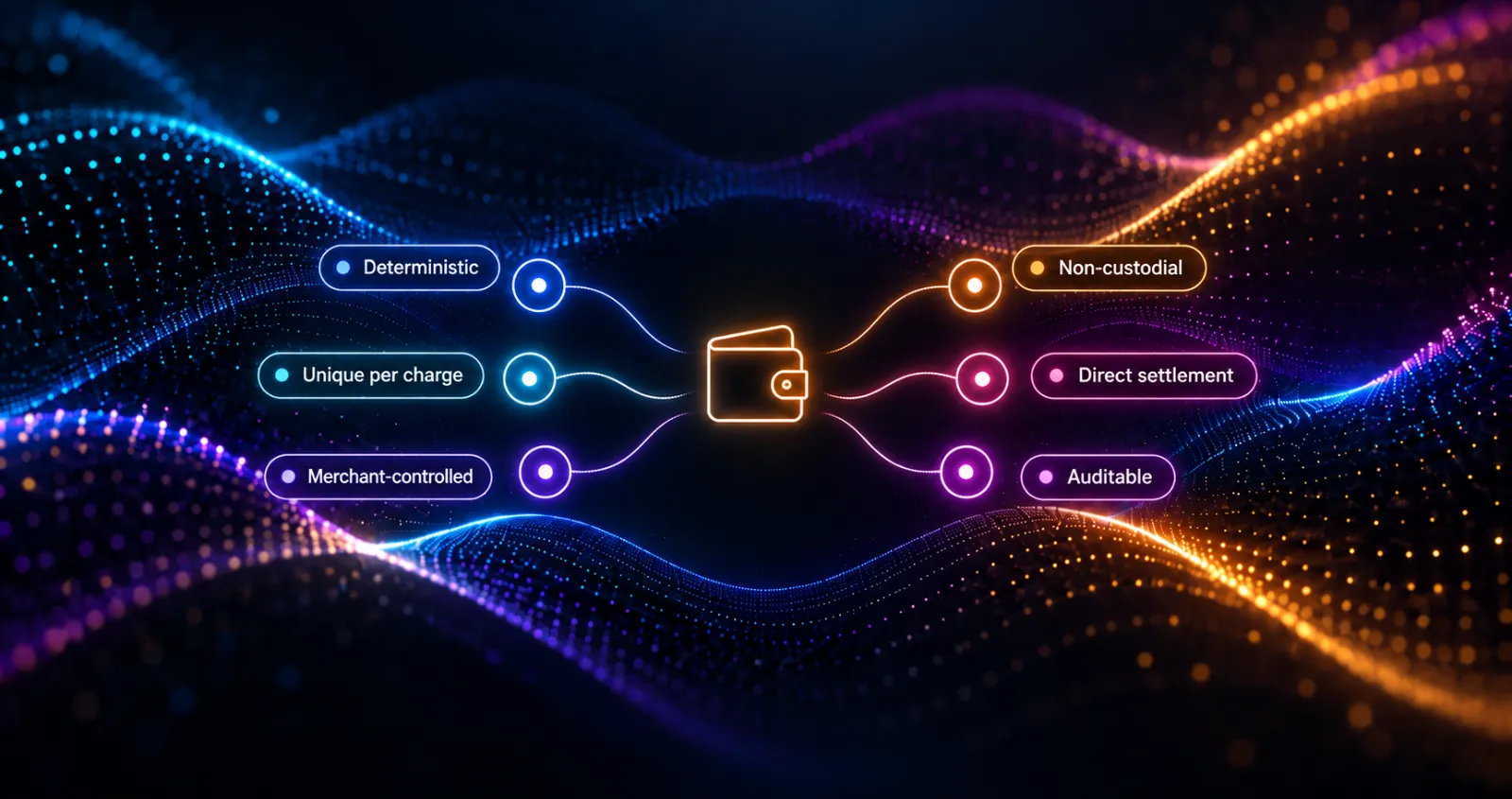
A crypto checkout should not ask customers to send funds to a shared wallet. Why per-charge deterministic addresses matter, and how to build charge state around them.
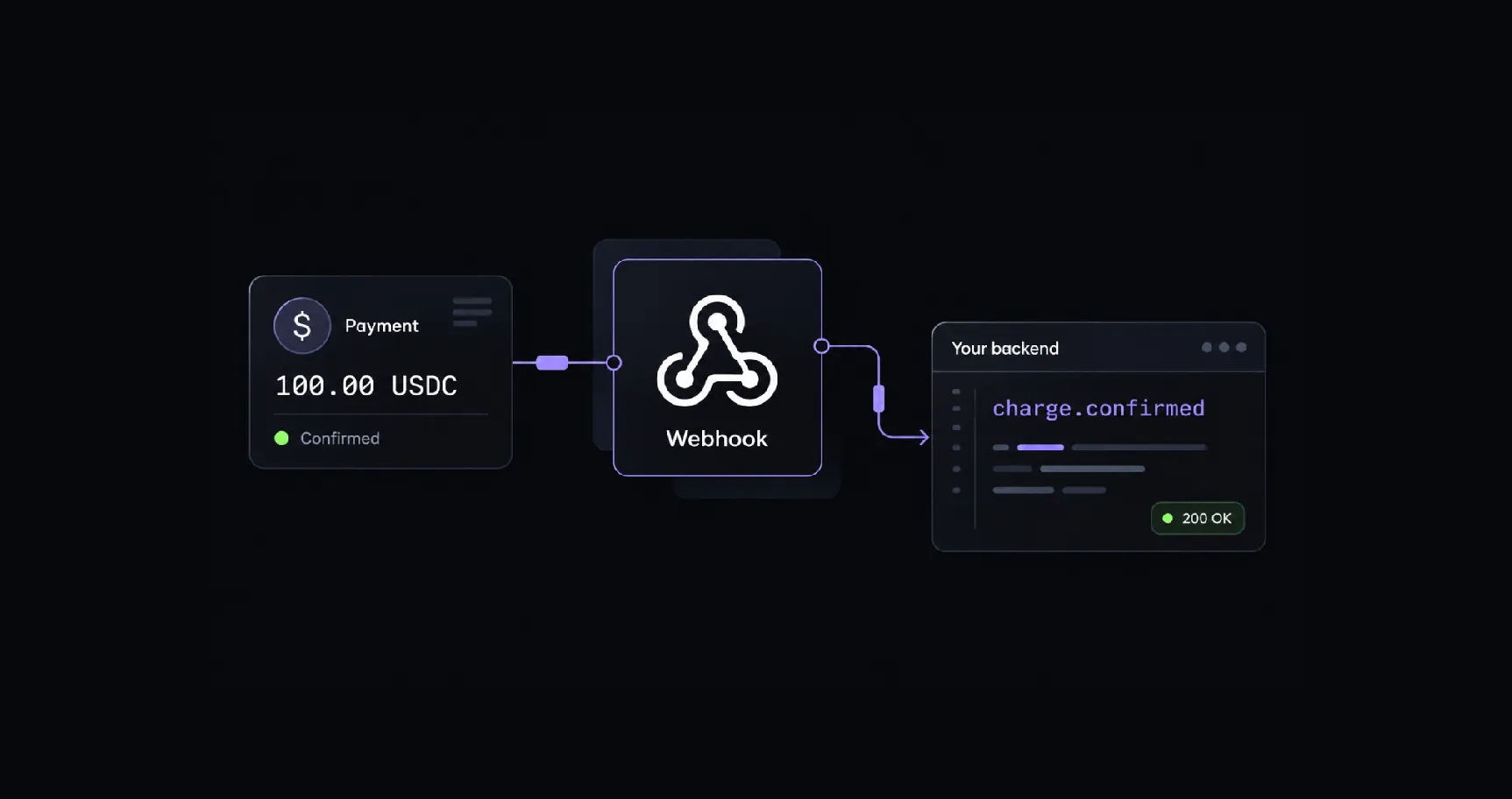
A webhook doesn't settle funds — it reports settlement that already happened on-chain. How the event flow works, what the payload should contain, and why signature verification and idempotency aren't optional.
2026-09-08
Custody isn't an implementation detail — it's the architecture of the financial relationship. A guide to what a non-custodial crypto payments API does, and how to evaluate one.
2026-09-07
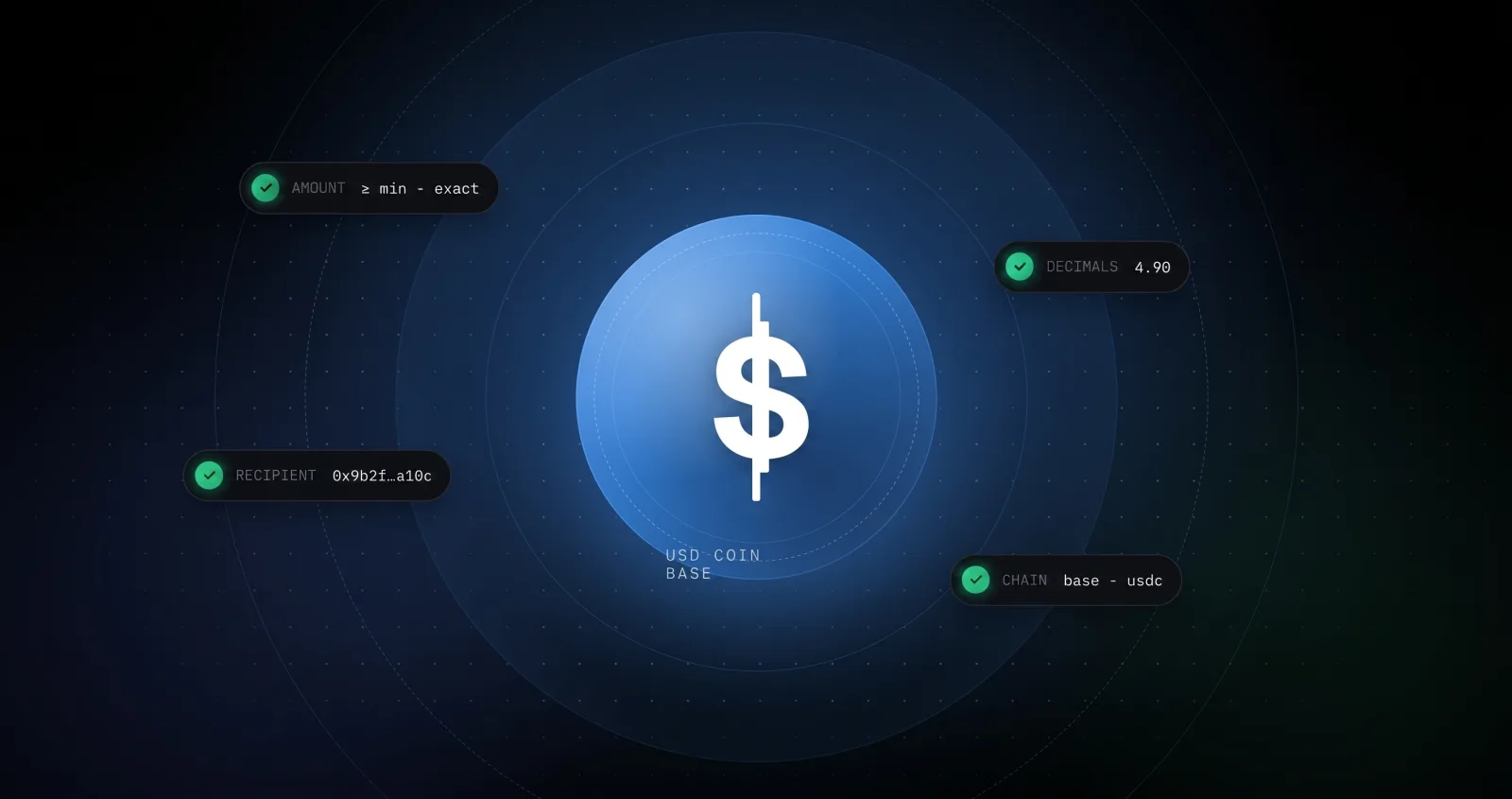
A transaction hash isn't proof of payment. A backend checklist for verifying on-chain USDC settlement, designing event-driven fulfillment, and validating what wallets won't tell you.